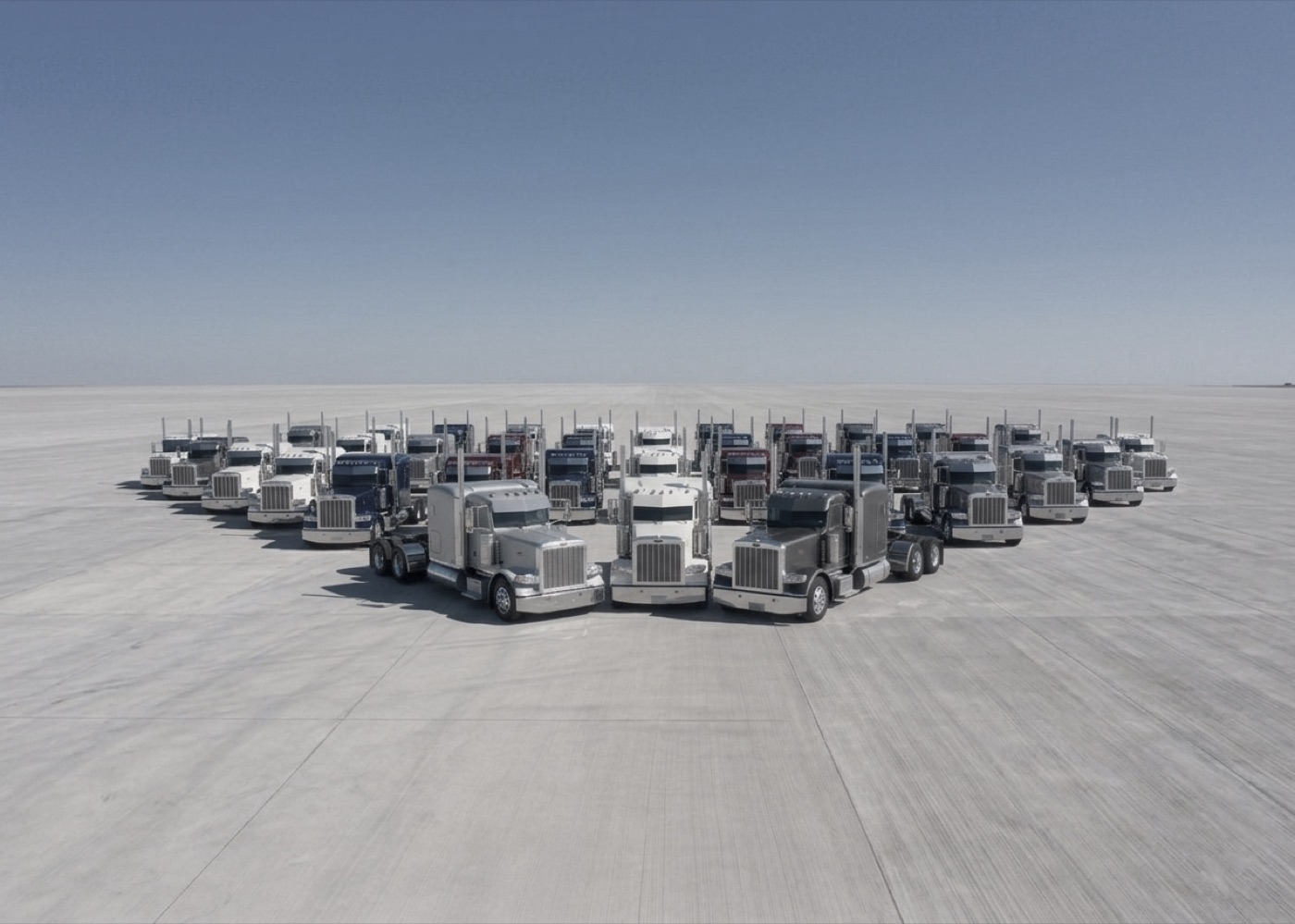
Three departments. One system. Every truck.
A bad score is the symptom. The disease is safety, maintenance, and operations running out of sync. I rebuild all three as one machine — as an operator who ran every department on a 60-truck Inc. 500 fleet.
Every one of these traces back to the same root: safety, maintenance, and operations aren't talking to each other. Fix one in isolation and the others pull it back down.
You clean it up, it creeps back. The violations are coming from somewhere upstream that nobody's looking at.
Roadside breakdowns, tows, emergency repairs, trucks sitting. Reactive instead of preventive, and it's eating your margin.
You hire, they go. Turnover costs more than you think — in recruiting, in downtime, and in the violations green drivers rack up.
Premiums climbing, brokers asking about your scores. A bad rating doesn't just cost money — it costs contracts.
A safety consultant fixes the paperwork. A maintenance guy fixes the trucks. A dispatcher runs the loads. Nobody connects them — so the score creeps back, the costs return, the drivers leave.
I ran all three departments myself, at scale, on a 60-truck fleet that hit the Inc. 500 twice. I know how a dispatch decision becomes a maintenance failure becomes a roadside violation becomes a CSA hit. That's the system I rebuild.
CSA scores, compliance, driver coaching, audit readiness.
Preventive programs, cost control, uptime, vendor discipline.
Dispatch, staffing, cash flow, the workflows that drive it all.
Most carriers start with the Audit. It reveals what's driving the problem, then leads into the Retainer or a Turnaround.
You're not paying for my hours. You're paying to avoid what actually sinks carriers: insurance hikes, lost shipper contracts, out-of-service trucks, and the accident you didn't see coming. Insurance increases and lost freight routinely run 10× the cost of the engagement.
A worn part caught during preventive maintenance.
The same part causing a roadside breakdown.
The same part causing an accident.
"You're not selling theory — you've actually built and sold a successful trucking company. Your advice comes from firsthand experience."
Matt B.40-truck fleet operator
"Some trucks, drivers, and equipment I thought were contributing to growth were actually dragging down overall profitability. That shift has been the biggest eye-opener."
Matt B.40-truck fleet operator

I started driving in 2008. In 2014 I went independent with one truck. By 2018 I'd built a 60-truck fleet — #277 on the Inc. 500, and #465 the year after. I acquired my own shop in 2019, and I kept my DOT safety scores compliant the entire way up.
I ran safety, maintenance, and operations myself — not from a textbook, from the driver's seat and the owner's chair. I know exactly how the three connect, because I lived what happens when they don't.
A free 30-minute call. We look at your situation across all three departments, and I'll tell you straight whether an audit makes sense for you — or not.
Same calendar I use with every carrier.